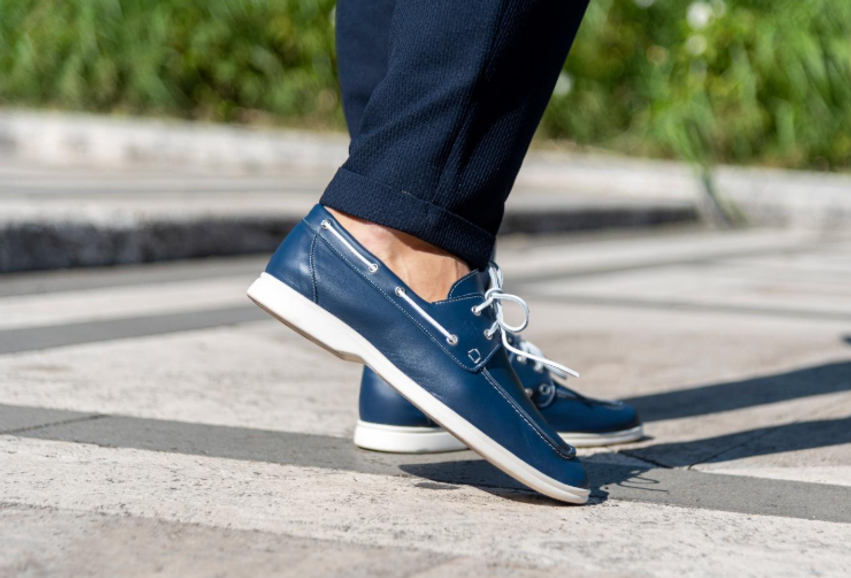
Sponosred article: When it comes to the relationship between elevator shoes and posture, opinions among health professionals span a spectrum from cautious concern to genuine endorsement, depending on the quality of the shoe, the lift height, and how they are incorporated into daily footwear habits.
Understanding what podiatrists, physiotherapists, and biomechanics specialists actually say about elevator shoes, rather than relying on generalised caution, gives prospective wearers the information they need to make genuinely informed decisions.
The Biomechanics of Heel Elevation Any raised heel, whether in a conventional dress shoe, a cowboy boot, a high-heeled fashion shoe, or an elevator shoe, changes the biomechanical chain from the foot upward through the ankle, knee, hip, and spine. When the heel is elevated, the ankle settles into a gently pointed orientation, with the toes angled marginally downward relative to the heel.
This shifts the body’s centre of gravity slightly forward, which the body compensates for by adjusting posture at the hip and lumbar spine to maintain balance. In isolation, this chain of compensations is well within the normal adaptive capacity of the musculoskeletal system for the vast majority of healthy adults.
The key variable, from a biomechanical standpoint, is the degree of heel elevation and how the rest of the shoe’s architecture mediates that elevation. A shoe with a steep, unsupported heel lift places the entire burden of adaptation on the ankle and calf.
A shoe with a graduated lift that includes arch support and metatarsal cushioning distributes the adaptation across a longer section of the foot, reducing localised stress and creating a more biomechanically sound platform for the elevated stance. Podiatric Perspectives Podiatrists, as specialists in foot health, have the most direct clinical perspective on elevator shoes.
The professional consensus is broadly pragmatic: moderate heel elevation in well-constructed footwear is acceptable for healthy adults and may even provide postural benefits, particularly for men who habitually wear flat shoes that provide no heel-to-toe differential whatsoever. The concerns that podiatrists raise are specific rather than categorical.
The primary concern is the Achilles tendon shortening that can result from wearing consistently elevated heels without variation. This risk is real but manageable: alternating between elevator shoes and flat footwear across the week, combined with regular calf and Achilles stretching, prevents the chronic shortening that prolonged, unvaried heel elevation can produce.
Podiatrists also flag the importance of toe box width, noting that narrow toe boxes at any heel height can contribute to forefoot pathologies over time. Physiotherapy Viewpoints Physiotherapists tend to focus on the postural and movement effects of elevator shoes rather than the foot-specific concerns that are the podiatrist’s primary domain.
Many physiotherapists note that modest heel elevation can benefit men who habitually stand and walk in a rounded, forward-flexed posture, as the forward shift of the centre of gravity created by the elevated heel encourages greater lumbar extension and thoracic uprightness.
The caution from physiotherapy comes around proprioception and ankle stability, particularly in men who have had previous ankle injuries or who wear very high lifts without a period of graduated adaptation. Elevator shoes change the sensory feedback the ankle receives from the ground, and this change requires proprioceptive recalibration that takes a few weeks of regular wear to complete.
GuidoMaggi’s design approach directly addresses the concerns raised by health professionals, incorporating graduated insole architecture and proper toe box dimensions into every model, reflecting an understanding that the long-term wearability of elevator shoes depends as much on biomechanical soundness as on aesthetic excellence.
What the Research Shows Published research on the effects of heel elevation on posture and musculoskeletal health is nuanced and largely consistent with the clinical perspectives described above.
Studies of heel elevation in the two to four centimetre range generally find minimal negative effects on healthy adults, with some studies noting improvements in lumbar curvature and trunk muscle activation that are consistent with reported postural benefits.
Studies of higher heel elevations find more mixed results, with some subjects showing beneficial postural effects and others showing compensatory patterns that place additional load on the lumbar spine. Practical Guidance Based on Expert Opinion Synthesising the expert perspectives available, the practical guidance for elevator shoe wearers is clear and consistent.
Choose quality shoes with proper arch support and adequate toe box width. Start with moderate lift heights and adapt gradually. Rotate between elevator shoes and flat footwear to prevent Achilles shortening. Stretch the calves and Achilles regularly.
And consult a podiatrist or physiotherapist if you have pre-existing foot, ankle, knee, or lower back conditions before making elevator shoes a regular part of your daily wardrobe. Follow these guidelines, and elevator shoes can be worn consistently by the great majority of healthy men without concern.